

From Code to Care: How Software Development is Reshaping Healthcare Services?
Sept. 2, 2025
1092

Table of Contents
The global digital health market is projected to reach $660 billion by 2025, with custom healthcare software development services expected to surpass $230 billion. In the digital age, the intersection of technology and healthcare is transforming how care is delivered, managed, and experienced.
At the heart of this transformation lies software development, a driving force behind innovations that are reshaping healthcare services across the globe. From electronic health records to AI-powered diagnostics, the rise of healthcare software is not only improving operational efficiency but also enhancing patient outcomes.
Let us dig deeper into it.
|
Area |
Key Insights |
|
Market Growth |
The global digital health market is projected to hit $660B by 2025, with custom healthcare software surpassing $230B. |
|
Evolution |
Healthcare has moved from paper-based systems to digital platforms like EHRs, telemedicine, and AI-driven solutions. |
|
Impacts |
Software improves efficiency, patient outcomes, and accessibility through tools such as EHRs, remote monitoring, and AI diagnostics. |
|
Benefits |
Major benefits include automation of admin tasks, patient empowerment, evidence-based decisions, cloud scalability, and enhanced patient experience. |
|
Challenges |
Key hurdles involve data privacy, regulatory compliance, and training/adoption for healthcare professionals. |
|
Future Outlook |
Innovations like blockchain, digital twins, and AR will drive precision medicine, secure data sharing, and personalized care. |
|
CodeSuite Role |
CodeSuite delivers custom healthcare software solutions focused on automation, patient engagement, and data security. |
Evolution of Healthcare Through Software
Historically, healthcare systems relied heavily on paper-based records, manual processes, and fragmented communication. These inefficiencies often led to delays in treatment, miscommunication among providers, and limited access to patient data. The advent of software development in healthcare has revolutionized these outdated systems, enabling seamless data integration, real-time monitoring, and personalized care.
Modern healthcare software solutions now support everything from appointment scheduling and telemedicine to predictive analytics and robotic surgeries. These tools empower providers to make informed decisions, reduce administrative burdens, and focus more on patient care.
You can read about Most Common AI Adoption Challenges and How to Solve Them?
Impacts of Technology on Healthcare
Here are some major key areas where software development impacts healthcare services.
1. Electronic Health Records (EHRs)
One of the most significant contributions of software development to healthcare is the creation and evolution of Electronic Health Records. EHRs centralize patient information, making it accessible to authorized professionals across departments and facilities. This not only improves coordination but also reduces errors and enhances the continuity of care.
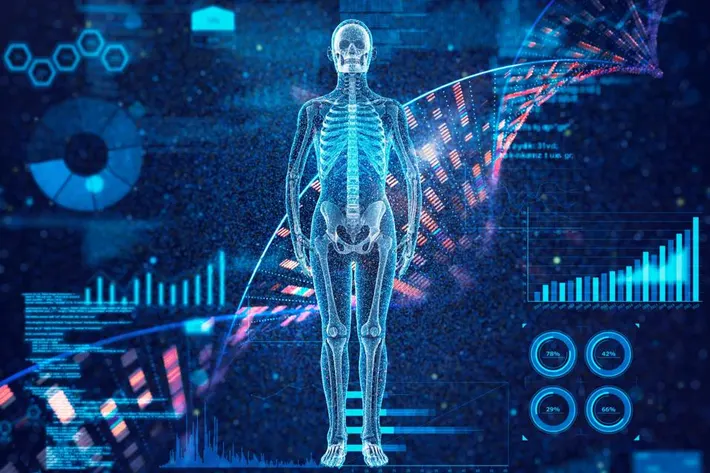
EHR systems are a prime example of healthcare software that has become indispensable. They allow for secure data storage, easy retrieval, and integration with other digital tools such as lab systems and imaging platforms.
2. Telemedicine and Remote Monitoring
The COVID-19 pandemic accelerated the adoption of telemedicine, highlighting the importance of virtual care. Through robust healthcare software, patients can now consult with doctors from the comfort of their homes, reducing the need for physical visits and expanding access to care in remote areas.
Software development has enabled the creation of platforms that support video consultations, remote diagnostics, and wearable devices that monitor vital signs in real time. These innovations are particularly beneficial for chronic disease management and post-operative care.
3. Artificial Intelligence and Machine Learning
AI-driven healthcare software is revolutionizing diagnostics and treatment planning. Algorithms can analyze vast datasets to detect patterns, predict disease progression, and recommend personalized therapies. For instance, AI tools are being used to identify early signs of cancer in imaging scans with remarkable accuracy.
Behind these intelligent systems is sophisticated software development that ensures reliability, scalability, and compliance with healthcare regulations.
Benefits of Software Development in Healthcare
Software development is revolutionizing healthcare in numerous ways, making the entire experience better for patients, doctors, and organizations. By streamlining operations, empowering patients, and supporting smarter decision-making, digital innovation is changing how care is delivered and received. Here’s an easy-to-understand blog-style overview of the biggest benefits:
Automating Administrative Tasks
An authentic 2025 industry report titled “Why 2025 is the Year for Healthcare Workflow Automation” tells that automation is now a business-critical reality in healthcare, reducing administrative burdens across hospitals and clinics. According to the report:
The global healthcare automation market is projected to grow from $72.6 billion in 2024 to $80.3 billion in 2025.
One of the most popular benefits of healthcare software is automation. Tasks like billing, scheduling, insurance claims, and documentation can be handled by digital solutions, which means less paperwork for staff and fewer chances for mistakes. Automating these workflows not only saves organizations money but also allows doctors and nurses to spend more time caring for patients, not wrestling with paperwork.
Evidence-Based Medical Decisions
Modern healthcare software uses advanced analytics and artificial intelligence to turn medical data into useful insights. This helps doctors diagnose conditions faster, track progress, and determine the most effective treatments based on real evidence rather than guesswork. Hospitals and clinics use these tools to allocate resources more efficiently, improving results for everyone.
Read about Enhancing Data Security in Healthcare Apps: What You Need to Know
Patient Experience
With everything more organized and accessible, patients benefit from faster care, clearer communication, and more tailored treatments. Tools like telemedicine and online consultations help people in remote areas get the help they need without having to travel, which leads to better health outcomes overall.
Healthcare software development saves time, reduces costs, supports smarter medical decisions, and puts patients firmly at the center of their care journey.
Challenges and Considerations
The integration of software development in healthcare is not without challenges. Data privacy and security remain top concerns, especially with the increasing volume of sensitive patient information being stored digitally. Compliance with regulations such as HIPAA (in the U.S.) and GDPR (in Europe) is essential to protect patient rights.
The adoption of new healthcare software requires training, change management, and ongoing support. Healthcare professionals must be equipped to use these tools effectively, and systems must be designed with user-friendly interfaces to minimize resistance.
Future of Healthcare Services
A highly authentic and recent report published in 2023, Impact of Blockchain-Digital Twin Technology on Precision Health, tells how integrating blockchain-secured digital twins in healthcare is driving precision medicine and secure patient data management. The report documents real-world pilot programs where health data collected from wearables and medical devices is used to create dynamic digital twins, safely stored with blockchain encryption.

Imagine a future where patients have digital avatars that simulate their health conditions, allowing doctors to test treatments virtually before applying them in real life. Or consider blockchain-based systems that ensure secure and transparent sharing of medical records across borders.
These innovations will redefine healthcare services, making them more proactive, personalized, and accessible than ever before.
Conclusion
From diagnostics to data management, software development is reshaping the very fabric of healthcare services. Companies like CodeSuite are at the forefront, delivering custom healthcare software services that empower providers and engage patients. As we move from code to care, the fusion of technology and medicine promises a future that is not only more efficient, but more human.
As we move from code to care, the synergy between technology and medicine promises a future where healthcare services are not only more efficient but also more compassionate and inclusive. Choose CodeSuite to transform healthcare with custom software built for speed, security, and seamless integration. Our solutions empower providers to deliver faster, smarter care by automating tasks, improving patient engagement, and ensuring data privacy.
Partner with CodeSuite and take healthcare from code to care with cutting-edge innovation made simple.