

Enhancing Data Security in Healthcare Apps: What You Need to Know
Aug. 6, 2025
1544

Table of Contents
According to a recent report, over 23 million individuals were affected by healthcare data breaches in the first five months of 2025 alone. Healthcare apps have changed how we manage health as it is making it easier to book appointments, access lab results, and communicate with doctors anytime, anywhere.
But, this convenience comes with a major responsibility of safeguarding the sensitive personal health information (PHI) these apps handle.
In this blog, I will guide you through why data security in healthcare apps matters so much and explain practical strategies and technologies you can use to protect sensitive health information.
Why Data Security in Healthcare Apps Matters?
When you use a healthcare app, you may be sharing everything from medical histories and prescriptions to insurance information, test results, and even biometrics. This data is very important for giving you better care, but it’s also a lucrative target for cybercriminals.
According to the 2025 Breach Barometer report by Bluesight, a record-breaking 305 million patient records were breached in 2024 alone, marking an alarming surge in healthcare data exposure.
The report shows business associates cause 77% of healthcare breaches. Rising ransomware attacks, slow breach reporting, and high costs averaging $9.77 million per breach tell the urgent need to improve data protection to keep patient trust and avoid serious damage.
Read more about Navigating the Future of Healthcare: Choosing the Right EHR Software
Key Threats Facing Healthcare Apps
Let’s have a look at some of the main threats impacting the healthcare apps today.
Data Breaches
Data breaches are the biggest security challenge for healthcare apps. According to report, a single breach at Serviceside, a healthcare business associate, exposed the personal health information of over 480,000 patients, all because of an unsecured database accessible without a password.
What’s worse, insider threats and negligent employees contribute to over 60% of these incidents, often due to carelessness or lack of awareness.A shockingly small portion of healthcare IT budgets, only about 4-7%, is allocated to cybersecurity
Weak Authentication
Many apps still rely on simple passwords or poorly managed user permissions. This makes it easier for unauthorized individuals to access sensitive records. Stolen or guessed passwords can open the door to PHI, sometimes with devastating effects.
Strong authentication measures, like multi-factor authentication (MFA) and biometric verification, are important to make sure that only trusted users access protected data. Role-based access control (RBAC), which limits data access based on a user’s role, further reduces risk by preventing unnecessary data exposure.
Unencrypted Data
Personal health information traveling between your device, healthcare providers, and cloud servers can be intercepted if not properly encrypted. Think of this data as a letter sent through the mail , without a sealed envelope (encryption), anyone along the route can read it.
Insecure APIs
Healthcare apps connect with external services, pharmacies, or cloud platforms through APIs (Application Programming Interfaces). And, if these APIs lack proper security, hackers can exploit them as backdoors into the system.
Attackers may use vulnerabilities in third-party APIs to inject malicious code, steal data, or disrupt services. Regularly updating and auditing APIs, along with secure coding practices, are important to close these hidden gaps.
Regulatory Non-Compliance
Failing to comply with healthcare data privacy laws like HIPAA in the US or GDPR in Europe can lead to heavy fines, legal battles, and loss of patient trust. In 2023, hospitals faced fines totaling over $1.3 million for violations that allowed unauthorized snooping of patient records
Regulatory breaches harm an organization's reputation and patients’ willingness to use their services. Compliance isn’t just about avoiding fines, it actually builds the foundation for trust and accountability.
Strategies for Data Security Healthcare Apps
Let’s discuss some core strategies that can enhance healthcare app security
End-to-End Encryption (E2EE)
This means that the information you share on a healthcare app is locked and stays locked from the moment it leaves your device until it reaches the right person. Even if hackers try to intercept it, they won’t be able to read it.
According to the latest IBM Cost of a Data Breach Report 2024, the average cost of a healthcare data breach is around $9.77 million per incident, not $11.45 million.
Modern apps use trusted methods like TLS for sending data safely and AES for storing it securely.The report details how the healthcare sector remains the most expensive industry for breaches, with the average global cost for healthcare data breaches nearly double the global average for all industries.
Strong Authentication
Healthcare apps must make sure only the right people get in. This means using multi-factor authentication (MFA), where you prove who you are with something like a password plus a fingerprint or a code sent to your phone.
Apps also limit what users can do based on their role , doctors see some info, staff see less , which helps even if an account is hacked, the damage stays small. According to the 2025 Ponemon Healthcare Cybersecurity Report,92% of healthcare organizations faced cyberattacks, and this tells us how important strong access controls are.
Regular Security Audits
Regular Security Audits and Vulnerability Testing is another important core strategy. To stay safe, healthcare apps run regular tests to find weaknesses before attackers do. These include penetration tests and scans that mimic real attacks. Keeping detailed logs of who accessed what data also helps spot suspicious activity early.
Secure Data Storage
Data isn’t just protected when you send it, it’s also safe when stored. Encryption must protect health information both when it’s moving across networks and when it’s saved on devices or cloud servers.
Many healthcare apps connect to other services like hospitals, pharmacies, or wearable devices using APIs . If these APIs aren’t secure, hackers can sneak in through them. That’s why developers regularly update and audit APIs to make sure no weak spots let attackers in.
By following these strategies, healthcare apps can better protect sensitive medical information, helping avoid costly breaches and keeping patient trust intact.
Read about Custom health care development services
The Future of Healthcare App Security
The future of healthcare app security hinges on continuous innovation to address increasingly sophisticated cyber threats and changing privacy demands. One key advancement is the expanded use of artificial intelligence (AI) for real-time anomaly detection,for faster identification and response to potential security incidents before they cause harm.
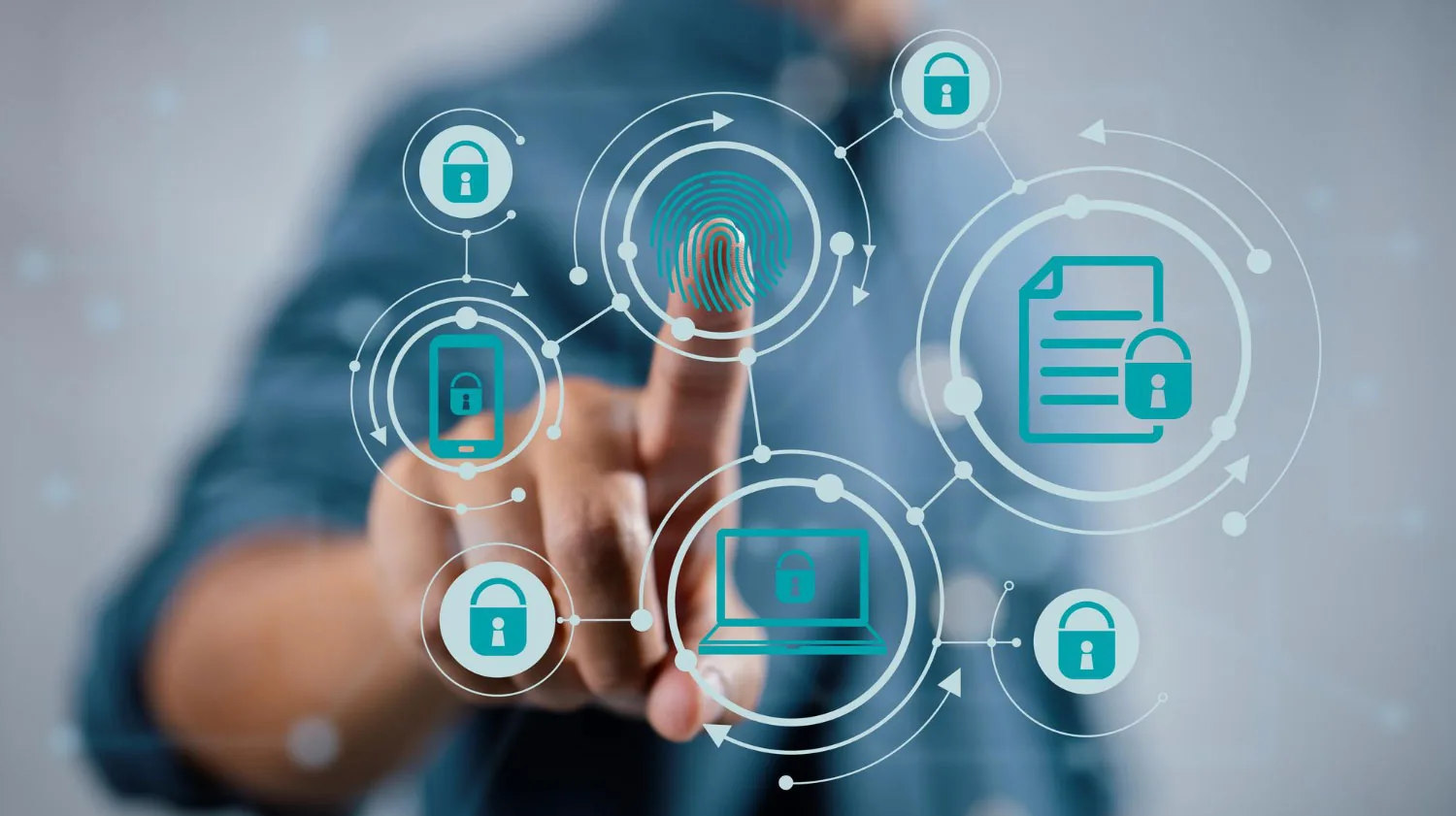
Biometric authentication methods, such as fingerprint and facial recognition, are becoming important for increasing both convenience and security. This makes sure that access to sensitive health data is tightly controlled.
Blockchain technology gives a transparent way to track data transactions and improve data integrity. Tighter privacy regulations are expected to emerge globally, prompting healthcare software developers to embed privacy-by-design principles at every stage of development.Healthcare organizations must make data protection fundamental to maintaining patient trust and staying competitive in the digital health landscape.
How CodeSuite Can Secure Your Healthcare Software?
If you’re building or managing a healthcare app, to make sure of the strong data security might be hectic for you , but CodeSuite makes it easier. It gives you automated penetration testing that quickly scans your software to find vulnerabilities before hackers do, giving you peace of mind.
CodeSuite also performs thorough API security assessments to make sure all third-party integrations, such as connections to hospitals or pharmacies, are safe and airtight. CodeSuite also provides compliance audits tailored to regulations like HIPAA, GDPR, and other emerging privacy rules, helping your app stay fully compliant and avoid costly penalties. By partnering with CodeSuite, healthcare providers and developers can confidently protect sensitive patient data.
Conclusion
Data security in healthcare apps is important to protect sensitive patient information. By using strong encryption, access controls, ongoing staff training, and following regulations, we can defend against growing cyber threats. Everyone involved, developers, providers, and patients, plays a role in creating safer, more trustworthy healthcare systems.